
Case Study · MARKETPLACE & P2P · SOCIAL MEDIA
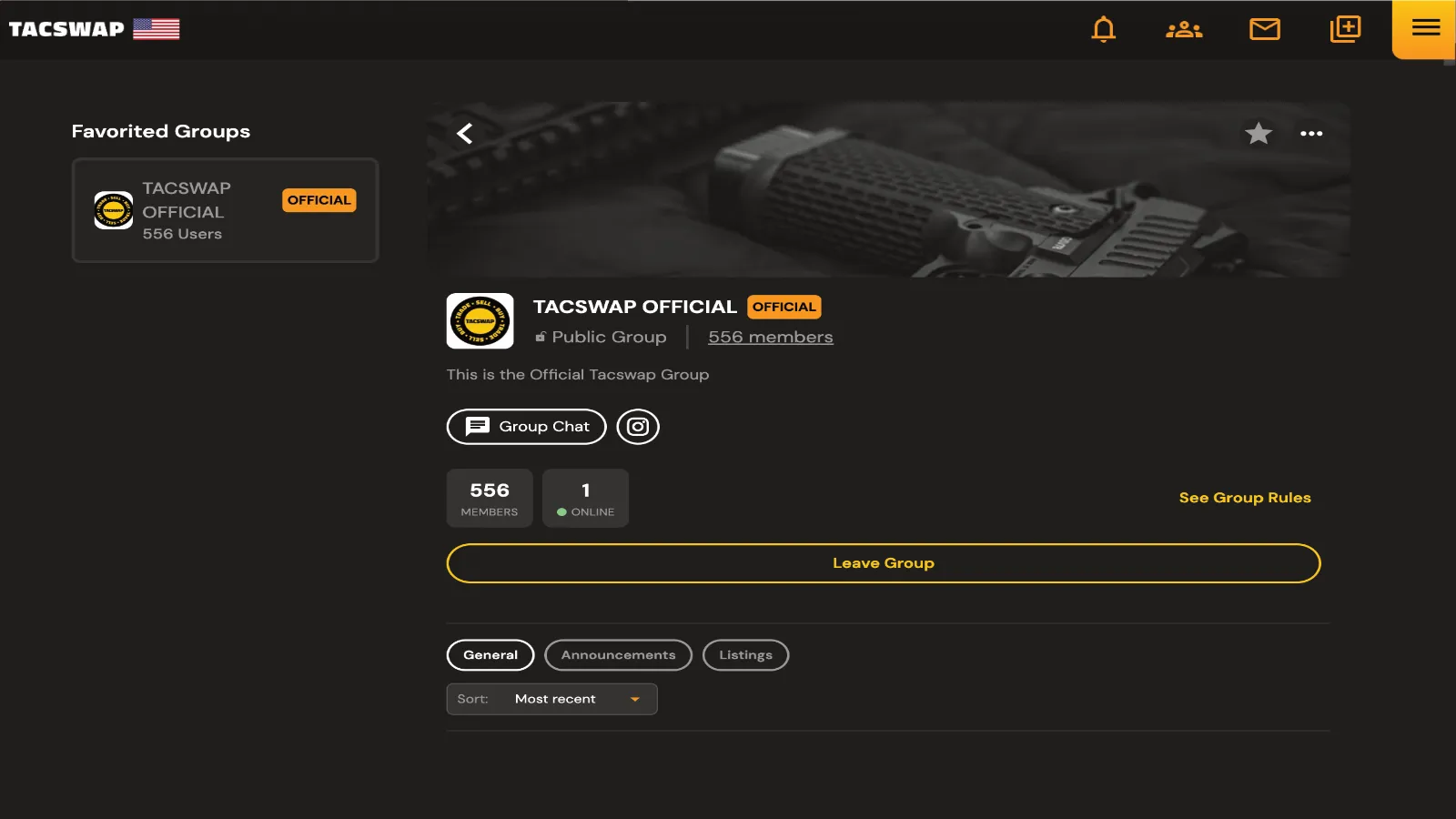
TacSwap Groups
A full-stack Next.js social application where anonymous users trade directly, and the entire product lives or dies on trust, timing, and payment integrity.
Cherry Blossom Tech built TacSwap Groups, a peer-to-peer social platform, allowing sellers to build the trust that makes direct exchange viable and secure. The build centered on concurrency handling for simultaneous user actions, and a Next.js front end built for speed. The team shipped as a single senior crew, with no ramp-up or hand-off between contractors. The result: a production social application the founder describes as delivered without overcomplicating things.
- Client
- TacSwap
- Industry
- Tactical Accessories and Equipment
- What we built
- P2P social application
- Core stack
- Next.js, React, Mongodb
- Timeline
- Compressed. Customer-ready on first delivery
- Engagement type
- Project-based
- Crew size
- Senior crew (Multiple devs, multiple initiatives, project management)
- Result
- Production social application, complete with concurrency handling, and built in user/transaction security
The Situation
TacSwap set out to build a social application where users can establish trust and larger stores can find interested customers. Users trade directly with each other using no middleman inventory and no warehousing, just two people and a transaction. That model only works if the trust mechanics are airtight from day one. A social application with a shaky first version does not get a second chance; users test it once and leave.
The founder needed a senior team that could own the full build; front end, database architecture, and the trust and safety logic. Above all they needed speed and efficiency without the standard ramp-up period of assembling contractors who had never worked together.
The Challenge
Three constraints made this build difficult.
Concurrency
Users and admins can take actions at the same time. While the app did not need to update in real time, it was important that the frontend and database were always in sync with a user's own interactions, and that actions were atomic.
Scaling
The database and query handling had to be done efficiently, able to easily scale to tens or hundreds of thousands of users.
Timeline
The founder needed a production-ready build (NOT a prototype) on a compressed schedule with no room for a team that needed to spend its first month getting oriented.
The Build
Trust and Safety Logic
Trust and safety logic was built into the product architecture, not added as an afterthought. User verification workflows, listing moderation tooling, and dispute handling run alongside the transaction layer so bad actors get caught before money moves. Legitimate sellers get through onboarding without friction and don’t even notice safeguards.
Next.js Front End
The front end is Next.js and was designed to be server-rendered where trust signals matter, client-hydrated where speed matters. Listing discovery, search, and filtering were tuned for a large catalog of specialized inventory. Extra care was put into UX design to support transaction confidence; clear seller status, explicit transaction state, and to ensure there were no ambiguous loading states.
The Outcome
TacSwap launched with a working social application, functioning concurrency handling, and a trust and safety system built into the product rather than bolted on afterward.
The new application gave TacSwap a foundation to scale transaction volume safely with clearer seller onboarding, better audience visibility, and increased opportunities to capture market share.
What the Founder Said
“We partnered with Cherry Blossom Tech to build a new feature on our platform. They quickly proved to be a high-impact and long-term partner. They plugged in and operated like true collaborators—understanding platform complexity, compliance constraints, and need to build for scale from day one. They're exceptional at taking product vision and turning it into clean, elegant systems that actually work. They were instrumental in taking this from concept to a real, usable product, coming up with a solid foundation for what's next. Cherry Blossom adapted and rolled in with our QA process, supporting and adding value every step of the process.”
Not a sales pitch.
Best fit for established companies with a build that cannot wait. Project engagements typically range from $20k–$200k, depending on scope, complexity, and team size. Speak with Elijah, founder of Cherry Blossom Tech.
-
Book a call to walk through your situation and scope your need.
-
Receive a proposal for who's coming, what we're building, what it costs.
-
We get to work. Day one, no ramp-up, just momentum.
Frequently Asked Questions
How long does it take to build a P2P social application?
A production-ready P2P social application or similar large-scale application can take many months for a version one. Depending on the scope, applications can even take years to develop even with smart planning and efficient use of development resources. Timelines extend significantly if the team is assembled from individual contractors who have not worked together before, since coordination overhead can add months before code is shipping efficiently.
What makes concurrency hard to get right?
Two users acting on the same post or listing at the same moment is a normal operating condition. The system must resolve concurrent actions cleanly every time, with locked resources, explicit failure states, and no silent overwrites. An application that doesn't act atomically or loses a data silently does not recover user trust.
Related Reading
INTEGRATIONS · PAYMENTS · FEATURE DEVELOPMENT
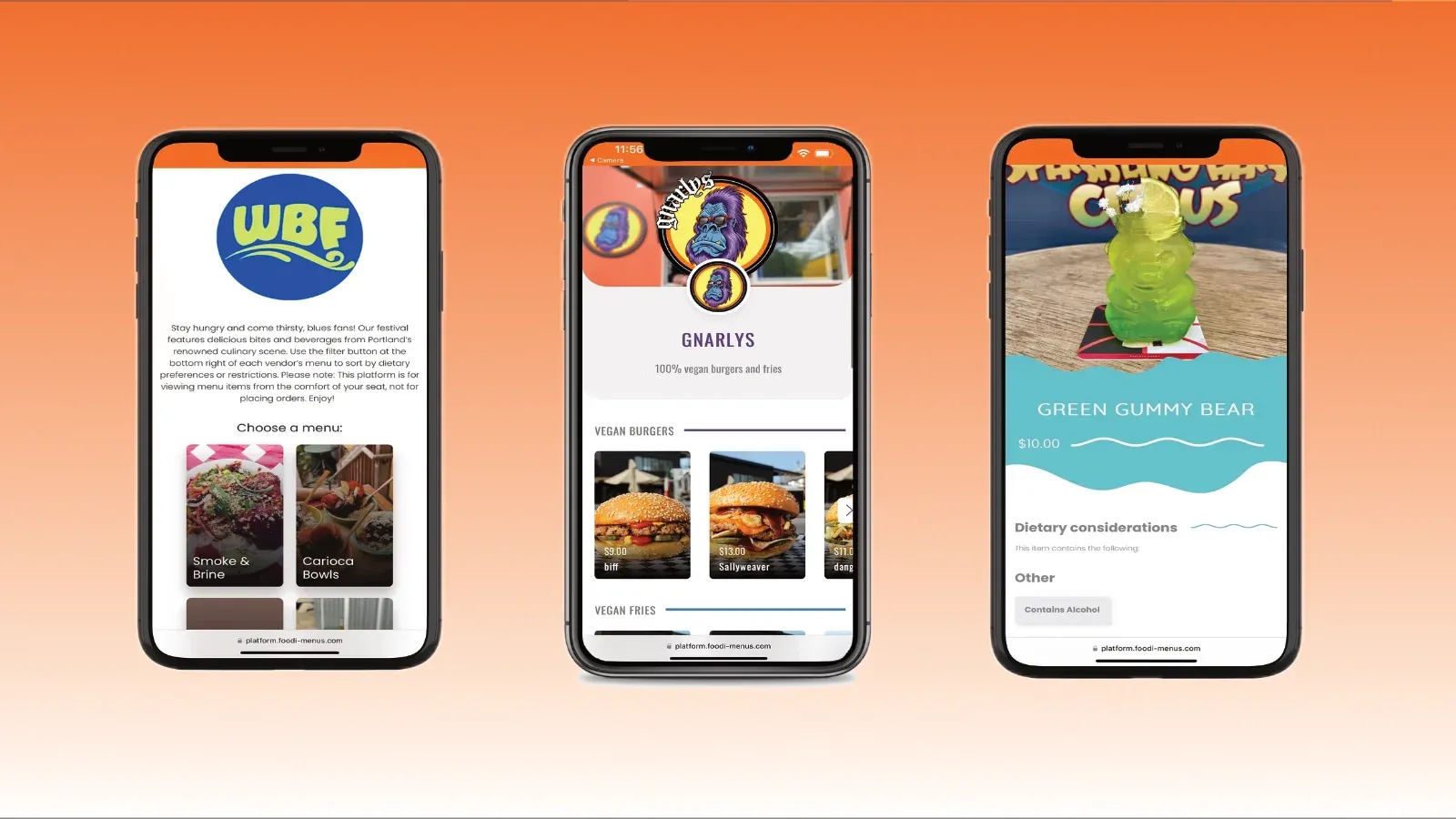
Foodi
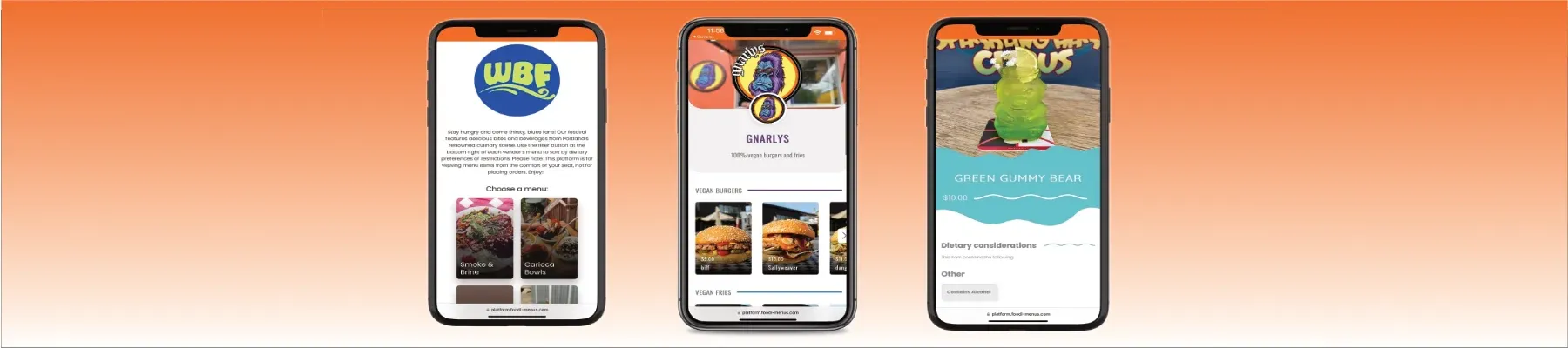
An app for diners to view menus and order food on the customer-facing side, and a powerful menu builder and order-tracking app in the restaurant’s back end.
- Built
- Customer-ready restaurant SaaS web app
- Stack
- Next.js, Mongodb, Redis